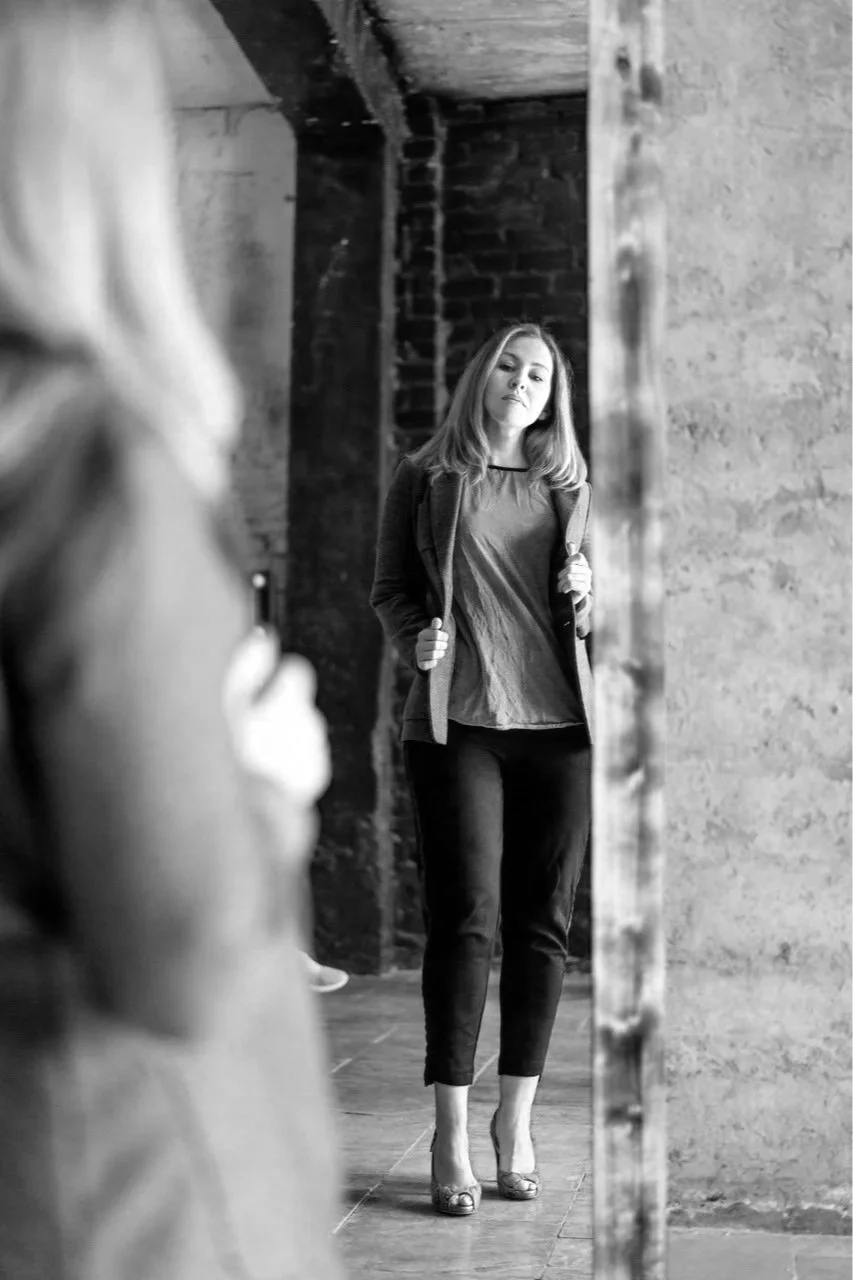
Imposter Syndrome
- Why It Happens and How RTT Hypnotherapy helps

Imposter syndrome isn’t a syndrome. It’s a pattern. And patterns can change.
You’re capable. The evidence is there. And yet — the doubt. The quiet, persistent sense that it’s only a matter of time before someone works out you’re not quite as together as you appear.
You’re not alone. Research suggests that up to 82% of people experience imposter feelings at some point — including, famously, Michelle Obama, Sheryl Sandberg, and Meryl Streep. The fact that it’s common doesn’t make it less exhausting. But it does tell us something important: this isn’t a personality flaw. It’s a pattern. And patterns have roots.
Why ‘imposter syndrome’ is the wrong frame
Calling it a syndrome implies something fixed and clinical — a condition you have rather than a pattern you’ve developed. I prefer to think of it as the imposter feeling: a temporary but persistent experience of self-doubt that has a specific subconscious origin. That distinction matters, because what has an origin can be changed.
The five imposter patterns
Psychologist Dr. Valerie Young identified five main ways the imposter shows up. You may recognise one predominantly, or see yourself across several.
The Perfectionist
Sets impossibly high standards. Views any imperfection as failure. Overworks, overchecks, and is harshest on themselves for the smallest mistake. Underneath: ‘If I’m not perfect, I’ll be exposed.’
The Superhuman
Feels the need to work harder than everyone else to prove their worth. Overcommits, neglects their own needs, and fears being outdone. Underneath: ‘Others are more capable than me. I have to keep proving myself.’
The Natural Genius
Believes they should master things quickly and without effort. Avoids challenges that don’t come easily. Feels shame when they struggle. Underneath: ‘If I have to try hard, I’m not really capable.’
The Soloist
Feels asking for help is a sign of weakness. Prefers to work alone. Struggles to delegate or collaborate. Underneath: ‘I should be able to do this on my own.’
The Expert
Never feels qualified enough. Keeps collecting credentials before taking action. Hesitates to apply for roles they’re already suited for. Underneath: ‘I don’t know enough yet.’
Where the imposter actually comes from
The imposter feeling isn’t created by your current circumstances. It was formed much earlier — usually in childhood — in response to an experience that taught your subconscious something about your worth, your safety, or what it means to be seen.
A comment from a parent. A dynamic in the family. A moment at school. The subconscious drew a conclusion: ‘I’m not quite enough.’ Or: ‘I have to earn my place.’ That conclusion has been running quietly ever since — regardless of what you’ve achieved since.
This is why achievement doesn’t fix it. The imposter feeling lives in the subconscious. Your achievements live in the conscious mind. They’re operating at different levels and they don’t speak directly to each other.
Why the imposter persists — and why it’s not your fault
The subconscious mind’s primary job is to keep you safe. At some point, it decided that playing small, staying under the radar, or not claiming too much was the safest strategy. That decision made sense at the time. It’s costing you now.
Every time you downplay a success, avoid an opportunity, or brace for being found out — that’s not weakness. That’s the subconscious doing exactly what it was programmed to do. The problem isn’t the pattern. It’s that the programming is out of date.
What actually changes it
Positive thinking, reframing, and affirmations all work at the conscious level. They can create temporary relief and build useful habits. But they don’t reach the subconscious belief at the root of the pattern — which is why the imposter feeling tends to return, even after significant effort.
RTT Hypnotherapy communicates directly with the subconscious. In a deeply relaxed state, we go back to where the imposter belief was formed — not to relive the experience painfully, but to see it clearly, as an adult, and update the meaning made of it. When the original belief shifts, the pattern built on it begins to dissolve.
Not through willpower. Through something finally changing at the level where the pattern actually lives.
If the imposter feeling is something you’re ready to go beneath the surface of, there’s a full page on confidence and self-worth.
→ Confidence & Self-Worth — read more

Hi, I’m Maria
I'm Maria — a Clinical RTT Hypnotherapist and Confidence Coach working online with professional women worldwide. I combine Rapid Transformational Therapy with trauma-informed coaching and nervous system regulation, going directly to the subconscious root of self-doubt, anxiety and the patterns that keep brilliant women stuck.
If something in this post resonated, a first call is a relaxed, no-obligation conversation about where you are and whether this work is the right fit.