Goodbye Dolly: What Dolly Parton Showed Us About Being Confident, Ambitious and Humble
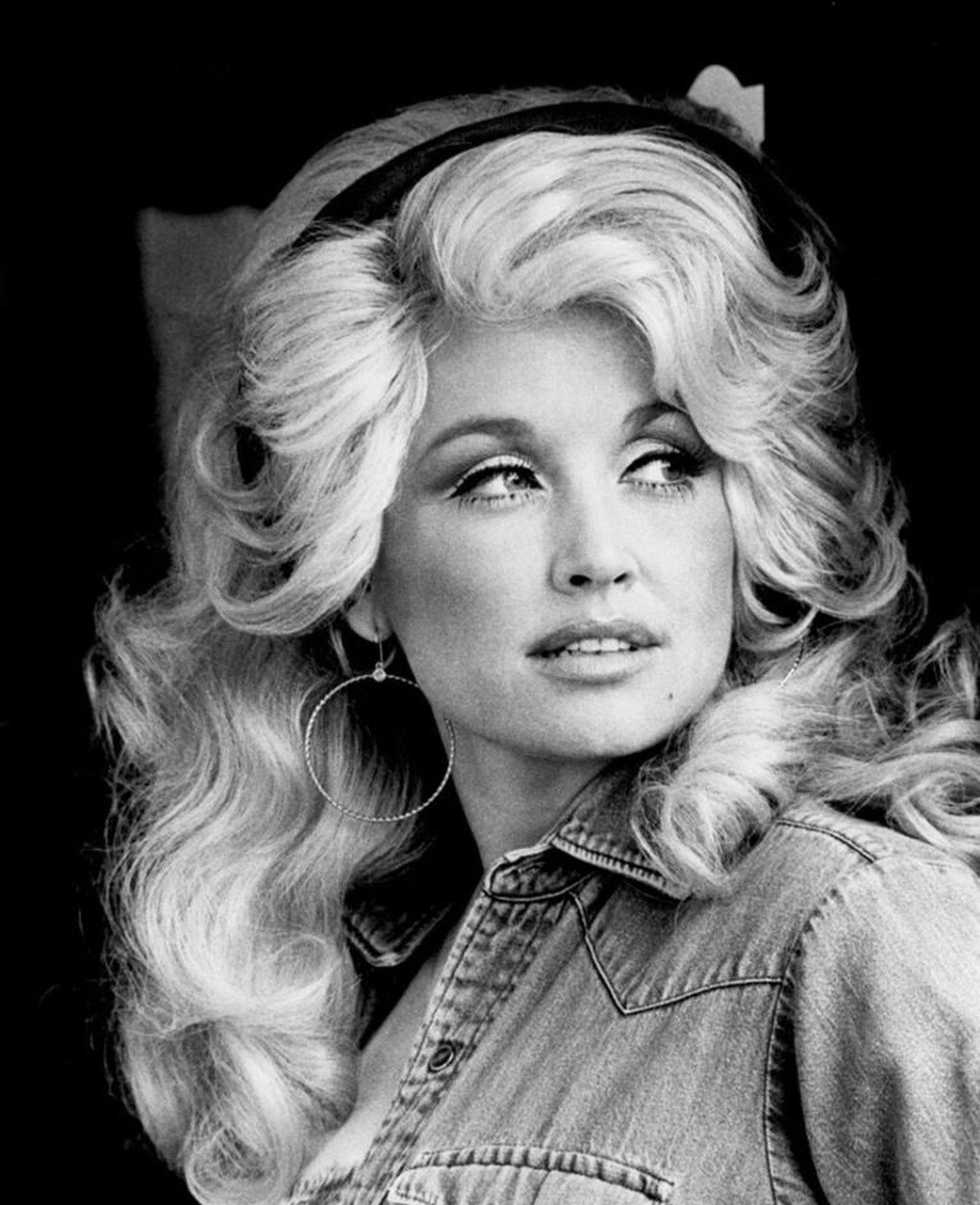
I’ve always loved Dolly. I could listen to her talking in interviews, with her soft, sing-song, understated, intelligent voice, without ever getting bored. She captured my attention in a way very few other famous people do.
Dolly Parton wasn’t confident in the way we usually mean the word. She wasn’t unshakeable, armoured or immune to doubt. She was something rarer: fully and unapologetically herself in public for more than sixty years, without ever making herself smaller to be believed.
To me, confidence isn’t the absence of insecurity. It’s the ability to remain connected to who you are while other people are forming opinions about you. It’s knowing that criticism, rejection or misunderstanding may hurt, but they don’t get to define you. It’s allowing your strengths, gifts and talents to shine through what you do—not through constant self-promotion or the need to proclaim your worth.
Dolly didn’t need to keep telling people who she was. She showed them through her work, her choices, her generosity, her humour and the way she lived. Her confidence was visible in the life she created, the boundaries she held and the way she remained unmistakably herself.
That’s not simply a personality trait. It’s a practice. And it’s worth looking closely at what Dolly actually did—not just what she said—because underneath the rhinestones and the wig jokes was one of the clearest examples of real self-confidence and poise most of us will ever witness.
She built her identity first
Dolly grew up as the fourth of twelve children in a one-room cabin in the Smoky Mountains, without running water or electricity. She wasn’t handed her image—she designed it deliberately as a young woman arriving in Nashville with very little.
The big hair, rhinestones and exaggerated glamour were inspired by a woman from her hometown whom other people considered “trashy.” Dolly thought she was the most beautiful woman she’d ever seen.
That decision—to build her identity around what she found beautiful rather than what other people approved of—set the tone for everything that followed.
She once said:
“Figure out who you are, then do it on purpose.”
So many of us spend years waiting for permission to be who we already are. Dolly simply skipped that step.
Being confident doesn’t mean creating a perfect image or trying to become someone else. It means becoming more honest about who you are and allowing that person to be seen.
She let people laugh—and laughed first
Dolly was mocked for decades. There were dumb-blonde jokes, comments about her appearance and endless speculation about what was “real.”
Her response was rarely defensive. She met much of it with humour, often so quickly and completely that there wasn’t much left for anyone else to say.
“I’m not offended by all the dumb blonde jokes because I know I’m not dumb—and I’m not blonde either.”
Dolly’s sense of humour was one of the ways she stayed free. She was willing to laugh at herself, play with the larger-than-life character people saw and enjoy the absurdity of fame without allowing any of it to diminish her.
She didn’t take herself too seriously, even though she took her work, values and responsibilities very seriously.
Behind the jokes, the wigs and the glamour was a fiercely intelligent businesswoman. Dolly understood ownership, negotiation, branding and the value of her creative work. She could be playful without being naïve, warm without being weak and entertaining without being underestimated.
That balance is part of what made her so powerful.
There’s a confidence lesson here too: you can be ambitious and lighthearted. You can know exactly what you’re doing and still laugh at yourself. You don’t have to become hard, guarded or overly serious in order to be taken seriously.
Her humility never wavered
This is the part people can underestimate about Dolly.
Confidence without humility can become arrogance. Dolly had both confidence and humility in equal measure, even after six decades of fame that might have distorted almost anyone else’s sense of self.
She stayed close to where she came from, spoke about her family’s poverty with warmth rather than shame and credited the people around her instead of positioning herself above them.
Through the Dollywood Foundation and Imagination Library, she helped put free books into the hands of millions of children. She gave generously to medical research and supported families affected by devastating wildfires in her home county.
Her generosity never felt like a performance. It seemed to be part of who she was.
“You’ll never do a whole lot unless you’re brave enough to try.”
Even her ambition was stated plainly, without the false modesty some people mistake for humility and without the self-importance that often comes with achievement.
She held both at once.
That’s an important lesson for women. Humility doesn’t mean denying our gifts, hiding our achievements or pretending we don’t have ambitions. It means recognising our strengths without believing they make us more important than anyone else.
She used softness as strength
Dolly never hardened herself to seem more credible.
She stayed warm, sentimental and openly emotional in interviews. She wrote about heartbreak, faith and her mother’s hands stitching a coat, and she never tried to make any of it seem tougher than it was.
That refusal to harden is its own kind of courage. It takes more security in yourself to stay soft in public than it does to build a wall.
Many women are taught that they need to become less emotional, less expressive or less feminine if they want to be respected.
Dolly showed that warmth and strength can exist together.
You can be tender and formidable. You can be caring and capable. You can lead without losing your softness.
She knew her worth
Dolly also knew exactly who she wasn’t.
Confidence isn’t only about saying yes to an opportunity. It’s also about recognising when an opportunity asks too much of you, compromises your values or depends on you accepting less than you deserve.
When Elvis Presley wanted to record “I Will Always Love You,” Dolly was asked to give up half of the song’s publishing rights. She ultimately declined, even though having Elvis record her song could’ve opened an enormous door for her career.
That decision says something important about confidence.
Sometimes self-belief means recognising an exciting opportunity. Sometimes it means knowing what you aren’t prepared to surrender in order to receive it.
Dolly understood the value of what she’d created, and she trusted herself enough to protect it.
She wasn’t being difficult. She knew her own worth.
There may be moments in your own life when confidence means saying no, asking for fairer treatment or refusing to abandon something important to you simply to be accepted.
She welcomed admiration
Few public figures have been imitated as widely or as lovingly as Dolly.
Drag performers built entire acts around her. Tribute shows have toured for decades, and fans have gathered dressed in wigs, rhinestones and Dolly-inspired outfits simply to celebrate her.
Dolly never treated imitation as an insult. She welcomed the people who dressed like her, performed as her and borrowed elements of her style.
That generosity revealed something important: she was secure enough in her identity to see reflection as celebration rather than competition.
A confident woman doesn’t need to be the only person in the room with her qualities. She can recognise those qualities in others without feeling diminished.
She can inspire people without needing to control how they express that inspiration.
Confidence allows you to celebrate another woman’s beauty, success, creativity or influence without making it evidence that you have somehow fallen behind.
She used her platform to help
Dolly’s giving wasn’t a side note to her fame. It was part of her legacy.
She founded the Dollywood Foundation in 1988 and launched the Imagination Library in 1995. The programme sends free books to young children, regardless of family income, inspired partly by her father’s inability to read.
Her support also reached medical research, disaster relief and communities affected by hardship.
None of it seemed to be framed as image management. She simply used what she had to help other people.
That’s another form of confidence: not needing to hold everything tightly for yourself.
When you feel secure in who you are, you can share your knowledge, celebrate other people’s success and create opportunities without feeling threatened.
You don’t have to dim your own light to help someone else shine. There is room for everyone.
She didn’t need to argue
Dolly was famously private about her politics, even though she clearly had opinions.
It would be easy to mistake that restraint for a lack of conviction. It wasn’t.
Her beliefs showed up in what she built and who she helped. She wrote “9 to 5,” an anthem for working women. She supported literacy, medical research, disaster relief and LGBTQ+ communities.
She didn’t need to turn every belief into a public argument. Her convictions were visible through her choices.
There’s a lesson in that too. Influence spent trying to win an argument may reach fewer people than influence spent doing meaningful work.
Dolly didn’t need to repeatedly tell people what she stood for. She showed them through the way she lived.
Confidence, ambition and humility together
Dolly showed us that confidence, ambition and humility don’t have to compete with one another.
You can know your worth without believing you’re better than everyone else. You can pursue enormous dreams without losing touch with your roots. You can allow your talents to shine without constantly needing to announce them.
She didn’t hide her ambition. She built businesses, protected her creative work, made bold decisions and created opportunities for herself.
But she also remained generous, warm and connected to the values that shaped her.
That balance is what makes her such a powerful example. She was:
ambitious without becoming arrogant;
humble without becoming invisible;
naturally charismatic without needing to dominate;
successful without losing her warmth;
soft without being weak;
confident without needing constant approval;
generous without abandoning her own needs.
Dolly’s charisma didn’t come only from her appearance, fame or talent. It came from the way she connected with people. She was warm, funny, expressive and genuinely interested in making others feel comfortable. She could command a room, but she didn’t make everyone else feel insignificant in it.
That’s an important distinction. Charisma isn’t about being the loudest person or demanding attention. It’s often the result of being comfortable enough in yourself to be fully present with other people. When you’re not consumed by how you’re being judged, you have more energy available to listen, connect and make others feel valued.
Dolly showed us that humility isn’t denying your gifts. It’s recognising them without forgetting the people, experiences and values that helped shape you.
What real confidence leaves behind
There’s a particular way people who are truly secure in themselves seem to think about legacy, and Dolly embodied it beautifully.
Legacy isn’t only measured by what someone accumulates. It’s measured by what continues after they’ve left the room.
A confident person doesn’t tend to chase being remembered. They focus on how they make people feel while they’re actually with them and trust that the feeling may outlast everything else.
People who met Dolly often seemed to leave feeling seen, entertained and a little more sure of themselves. That kind of impact can’t be manufactured as a strategy. It comes from meaning what you say and showing up consistently.
Her legacy isn’t only the rhinestones, wigs or songs, extraordinary as they are.
It’s the children who grew up with books in their hands. It’s the researchers and communities supported by her generosity. It’s every person who watched her be completely herself in public and felt a little more permission to do the same.
That’s the real inheritance—not something you can put in a will, but something that keeps moving through other people’s lives.
Dolly never seemed to be performing for history. She was simply being Dolly, over and over, for anyone in front of her—and history took care of itself.
Along the way, she wrote thousands of songs, sold hundreds of millions of records and became one of the most recognised women in the world. Somehow, she still felt like your favourite aunt.
That combination of warmth and stature, held together without one diminishing the other, is incredibly rare.
She showed us that a woman can be soft and shrewd, funny and formidable, humble and enormously successful—all in the same breath.
She never shrank one part of herself to make the others more acceptable.
“I’m not going to limit myself just because people won’t accept the fact that I can do something else.”
That’s the lesson, really.
Not a strategy. Not a mindset trick. Just a woman who decided who she was—and then spent the rest of her life doing it on purpose.
Perhaps that’s why Dolly mattered to so many women. She showed us that confidence doesn’t require us to become harder, quieter or more acceptable.
We can be ambitious and kind, glamorous and grounded, emotional and formidable. We can know our worth without needing to convince everyone else of it.
Dolly didn’t need to keep telling people who she was. She expressed it through her work, her choices, her generosity, her humour and the way she showed up.
I will miss Dolly. She was a genuine legend.
Maria x

I’m Maria — a Clinical RTT Hypnotherapist and Confidence Coach working online with professional women worldwide. I combine Rapid Transformational Therapy with trauma-informed coaching and nervous system regulation, going directly to the subconscious root of self-doubt, anxiety and the patterns that keep brilliant women stuck.
If something in this post resonated, a first call is a relaxed, no-obligation conversation about where you are and whether this work is the right fit.













If peaceful sleep feels out of reach, you're far from alone. Discover why an overactive mind at bedtime isn't a flaw, what's really keeping your nervous system on alert, and the practical steps — including how RTT hypnotherapy can help — that make it possible to finally switch off