—How to become your own champion and develop a kinder, more encouraging inner voice.

If a friend told you she’d made a mistake, you’d probably say something kind. You’d remind her that she’s doing her best, that she’s allowed to be human, and that she’s capable of far more than this one moment.
When it’s you, the voice in your head can sound very different. It may be quick, sharp and certain. It may be so familiar that you’ve stopped noticing it’s there.
Many of the capable women I work with have a very well-developed inner critic and a much quieter inner champion. In this post, we’ll look at what that supportive voice is, why it may have faded, and gentle ways to bring it back.
What Is an Inner Champion?
Some people call it their inner cheerleader. Others call it an inner ally, an inner coach or an inner helper. I like “inner champion”, because to champion someone is to believe in them and stand up for them, and that’s what this voice does.
It’s the part of you that feels like it’s on your side. It says, “I’ve got my own back.” “I believe in myself.” “I trust myself.” “I am enough.” It isn’t loud, and it isn’t about pretending everything is fine. It’s steady, fair and kind, and it’s there when things go well and when they don’t.
It’s also different from positive thinking. A supportive inner voice doesn’t ignore difficulty. It just meets it with encouragement instead of attack.
Where Did It Go?
It may be that we all begin life with a sense of our own worth. A baby cries when they need something and expects someone to come. A toddler learning to walk falls, laughs and tries again, delighted with every wobbly step. They don’t stop to ask whether they’ve earned a clap.
For many of us, that natural self-belief gets quieter along the way. It doesn’t usually disappear all at once. It can be covered over by small things, repeated over years:
Being praised mostly for achievements or good behaviour, so worth starts to feel conditional.
Hearing criticism, teasing or comparison, from adults, classmates or later from colleagues and partners.
Being told not to show off, boast or make a fuss.
Learning that keeping the peace, or being “good”, kept you safe.
Perfectionism, and the sense that you’ll be fine once you’ve done enough.
Difficult times in life that shook your trust in yourself.
Often, the inner critic begins as a form of protection. If you criticise yourself first, perhaps no one else can hurt you as much. Perhaps you’ll keep improving, and stay out of trouble. It may have helped you at the time, but it can be an exhausting way to live.
The encouraging part is that this voice isn’t gone. It may be quiet, buried or out of practice. It can be found again, and strengthened.
Will Being Kinder to Yourself Lower Your Standards?
If self-criticism has been what keeps you going, it’s natural to wonder whether encouragement would be enough. You might worry that being kinder to yourself will mean losing your drive, or letting your standards slip.
Encouragement and high standards often go hand in hand in elite sport. Simone Biles has said she reminds herself, “You have this,” before she competes. That voice sits alongside years of training. It doesn’t replace it.
Research on self-compassion has found that treating yourself kindly after a setback may make you more motivated to improve, not less. In one set of experiments, people who responded to a failure with self-compassion spent more time preparing for the next challenge. Research on self-talk in sport has also found that it can help performance, including motivating phrases and short, practical cues that keep someone focused on what to do next.
That’s a helpful way to think about your inner champion. It can offer reassurance, “You’ve prepared for this,” and a little direction, “Take your time and start with the first step.”
You’re not letting go of your standards. You’re changing how you support yourself in reaching them.
How to Begin Developing Your Inner Champion
You don’t need to become a different person, and you don’t need to force positive thoughts. Treat these as gentle experiments.
1. Borrow the voice of the kindest person you know
Think of the most supportive person in your life, past or present. It could be a friend, a parent, a grandparent, a teacher, a caregiver or a family member, someone who believed in you and was kind about it. Next time you’re doubting yourself, ask, “What would they say to me right now?” Then hear it in their tone, and say it to yourself in the same voice.
If you don’t have someone like that, you can create one. Imagine the kindest, wisest person you can, real or invented. Give them a warm voice and a few words that sound like them, such as “You’ve done more than you give yourself credit for.” Many people find it helps to picture them sitting beside them, or to write down what they’d say. Over time, that voice can become your own.
2. Keep a note of what you’re proud of
Start a note on your phone or in a notebook. Write down things you’ve done, challenges you’ve got through, decisions you’ve made, and the strengths and values that showed up along the way. Kind words from other people can go in there too, but they don’t have to be the only evidence. Your own sense of what matters to you counts as well.
Now and then, ask yourself: What did I bring to this? What did I learn? What matters to me here? When you’re feeling low, or overlooking yourself, it gives you something real to come back to.
3. Trust your strengths and values
It’s much easier to believe in yourself when you know what you’re believing in. Think about what you care about, what you’d stand up for, and what other people tend to come to you for. You might notice qualities you take for granted, such as being loyal, thoughtful, curious or steady. These are the things your inner champion can point to.
4. Let your needs matter
Your needs are allowed to matter. Treating them as worth listening to is a way of showing yourself the kindness you’d give someone you love. It starts inside, with permission: “What I need is valid, and I don’t have to apologise for it.” It may feel uncomfortable at first, and that doesn’t mean you’ve done it wrong. It can be a sign you’re treating your needs as important, perhaps for the first time in a while.
5. Be kind to yourself when setbacks happen
Setbacks and wobbles are a normal part of life, and they'll still happen. They're no reflection on your worth. When they do, you can pause and check in with yourself gently: What happened? How do I feel? What do I need right now? Your inner champion might say, "One wobble doesn't change who you are. You've handled harder things than this."
If there's something useful to take from it, take it kindly, then let the rest go. You've got the strength and the skills to find your way through, and to move forward one step at a time.
6. Come back to a few simple words
Choose a phrase that feels true enough to try, such as “I’ve got my own back”, “I trust myself” or “I am enough”. Say it quietly on a walk, when you wake up, or before something that feels daunting. It may feel unfamiliar at first, like using a muscle you haven’t used for a while. With repetition, it can start to feel more natural.
How I Work With This in RTT Hypnotherapy
Beliefs like “I’m not good enough”, “I have to earn my place” or “I can’t trust myself” often formed early, long before we could question them. In RTT hypnotherapy, in a relaxed, focused state where the analytical mind softens, we trace those beliefs back to where they began and update them at the source.
One of the tools we use in hypnosis is installing your inner cheerleader, the supportive inner voice that backs you, so it’s there when you need it, not only when everything is going well. You also have a personalised recording, made up of the new beliefs you’d like to hold, such as “I believe in myself”, “I trust myself” or “I am enough”.
Listening to it regularly draws on neuroplasticity, the brain’s ability to form new connections through repetition, so those beliefs may start to feel more familiar and natural over time. Coaching then helps you bring this into everyday life. Many clients notice a shift within days, with fuller change over the following month, although outcomes vary. RTT isn’t a substitute for treatment of severe mental illness or acute crisis.
You Don’t Have to Wait for Someone Else to Believe in You
You’ve probably been cheering on other people for years. It’s allowed to be your turn.
A supportive inner voice isn’t about becoming someone new. It’s about finding the part of you that has been there all along, and letting it speak a little louder.
If you’d like to talk about whether RTT could suit you, you’re welcome to book a free first call. There’s no pressure to decide anything, and if it doesn’t feel right, that’s completely fine.
Maria x
Frequently Asked Questions
What is an inner champion?
It’s the supportive inner voice that believes in you and backs you, whether you call it an inner cheerleader, ally, coach or helper. It meets difficulty with encouragement instead of attack, and it can be strengthened with practice.
Why is my inner voice so critical?
For many people, the inner critic began as a form of protection, often shaped by early messages about being good, doing enough or not showing off. It may have helped at the time, but it isn’t the only voice you have, and a kinder one can be developed.
What if I don’t have anyone supportive to imagine?
You can create one. Imagine the kindest, wisest person you can, real or invented, and give them a warm voice and a few words that sound like them. Over time, that voice can become your own.
Can RTT hypnotherapy help me develop a more supportive inner voice?
It may help when the critical voice is tied to beliefs formed earlier in life. RTT works with those beliefs at their source, and one of the tools used in hypnosis is installing your inner cheerleader, alongside a personalised recording and coaching. Outcomes vary, and it isn’t a substitute for treatment of severe mental illness or acute crisis.
Learn More about RTT Hypnotherapy
RTT Hypnotherapy for Confidence & Self-Worth
You Might also Like These Blogs
Your inner critic isn’t trying to destroy you. It’s trying to protect you.
Negative thoughts don’t loop because they’re true.

I’m Maria, a Clinical RTT Hypnotherapist and Confidence Coach working online with professional women worldwide.
I offer individual RTT hypnotherapy, and The Confidence Reset, which combines RTT, trauma-informed coaching and nervous system regulation. Both go directly to the subconscious roots of self-doubt, anxiety and the patterns that keep brilliant women feeling stuck.













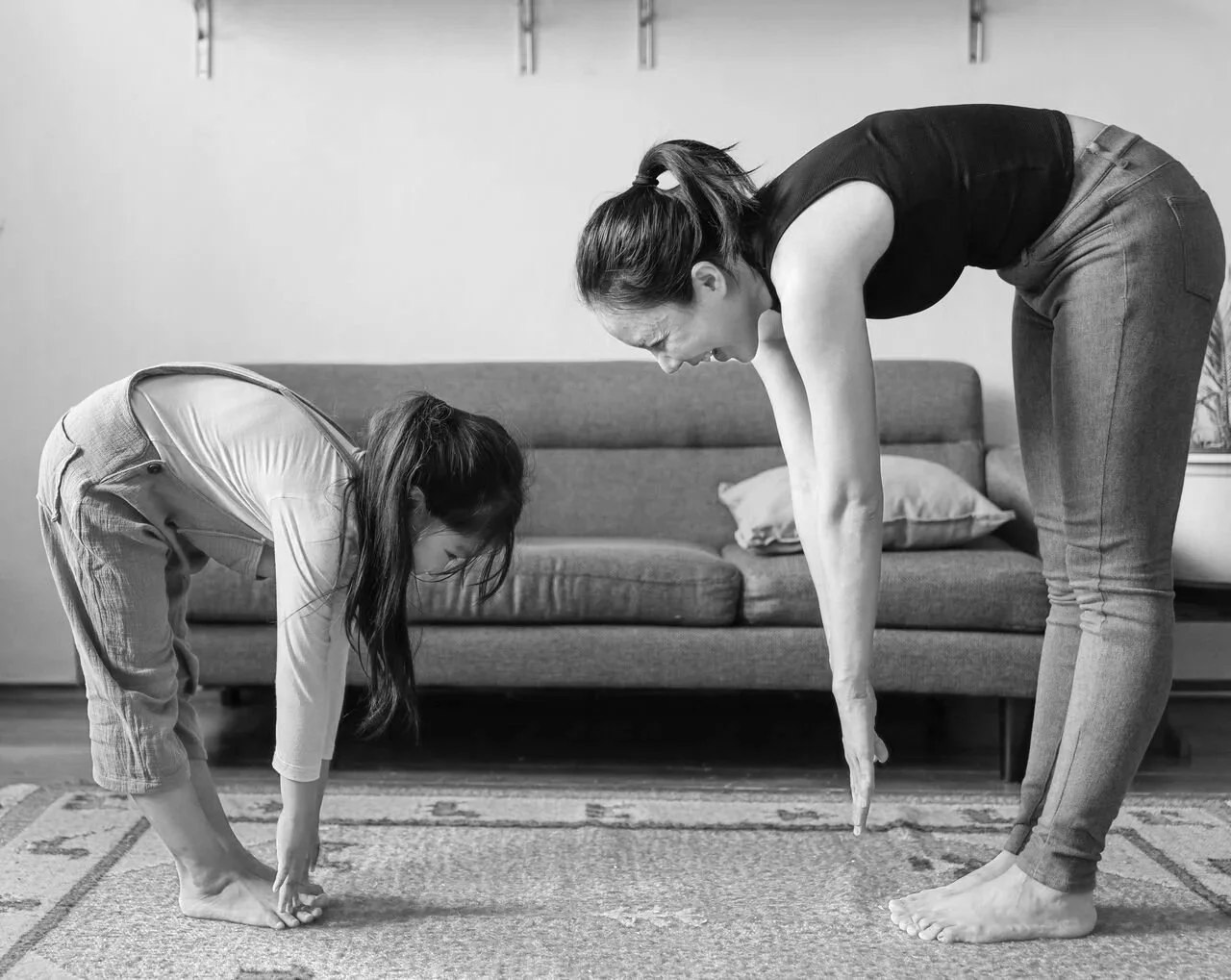





Why does your inner voice sound so critical, and how do you build a kinder one? Here’s where your inner champion may have gone, and gentle ways to bring it back.