Why different things help different people, how stress can affect those closest to us, and why we don’t have to wait until we’re overwhelmed to get support.
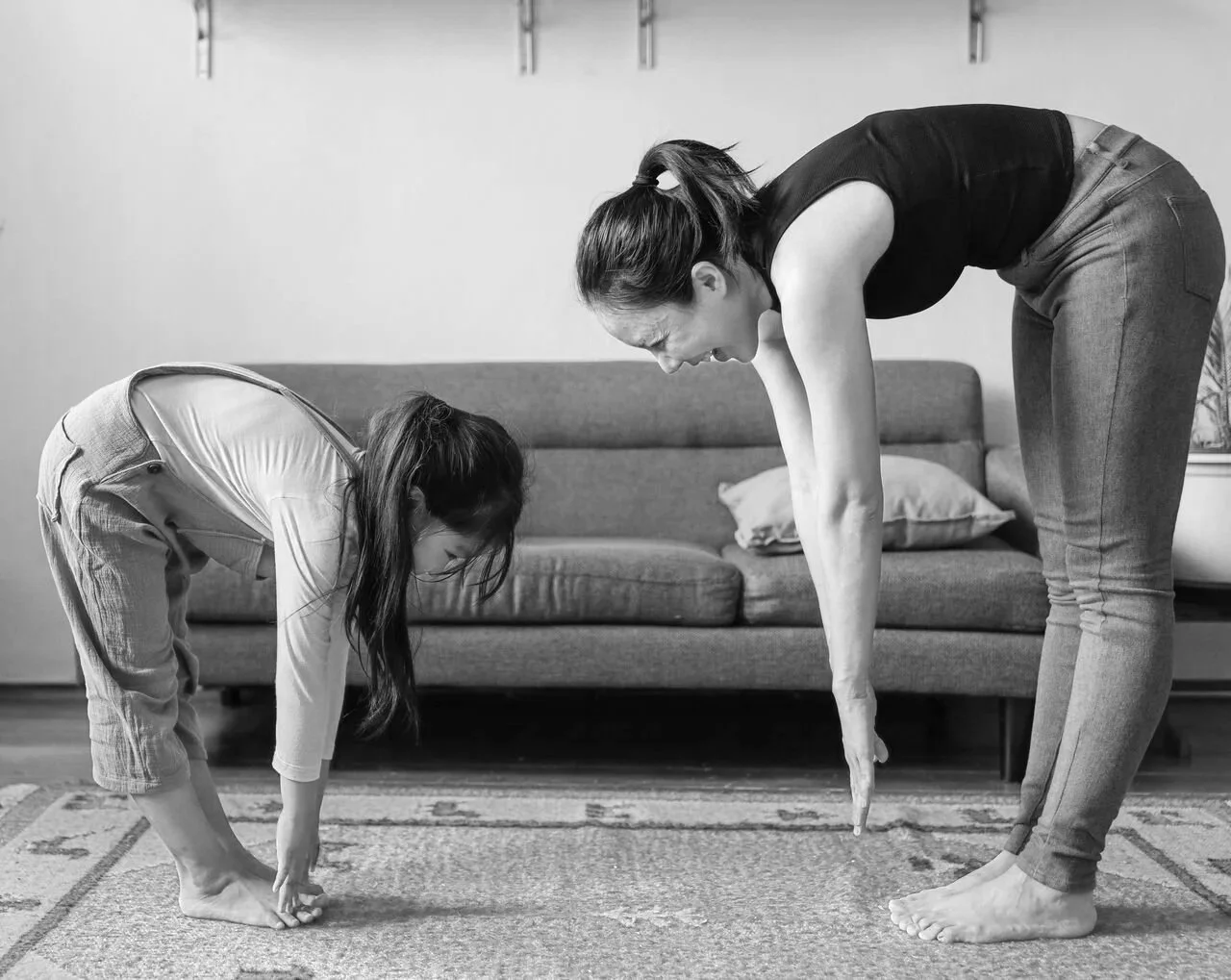
Go for a walk. Get an early night. Try some meditation.
When you’re feeling stressed, there’s usually no shortage of suggestions.
And often, they’re well meant. You might even recommend the same things to someone else.
But perhaps you’ve tried them and still feel tense, irritable, or exhausted. Or you’re so busy keeping everything going that thinking about how to manage your stress feels like another task.
Recently, a family member told me about a difficult period at work that had left him needing several months away. Our conversation stayed with me.
It made me think about how often we talk about reducing stress once it’s already become too much, rather than noticing the pressure and making room for support along the way.
Of course, that’s easier said than done.
When you’re managing, it’s tempting to keep going. There’s always something more urgent than taking a break, asking for help, or having a conversation about what needs to change.
But managing stress is about more than finding a way to relax at the end of a difficult day.
It also means looking at what’s making that day so difficult — and what could help before you reach your limit.
Some Stress Passes. Sometimes the Pressure Keeps Coming.
Not every stressful moment is a sign that something is wrong.
You might feel nervous before a presentation, rushed before a holiday, or under pressure as a deadline approaches. Sometimes that extra energy helps you focus.
Afterwards, you have a chance to recover.
The difficulty is when there’s very little “afterwards.”
One deadline becomes another. A family worry continues. Work spills into the evening. You finish dealing with one problem and find the next one waiting.
You may still be getting things done. From the outside, you might look as though you’re managing perfectly well.
But it’s costing you more than people realise.
The concern isn’t simply that stress happens. It’s how much it’s affecting your life and whether you’re getting enough opportunity to recover.
Stress Doesn’t Always Look Like Feeling Stressed
Sometimes it’s obvious. Your mind is racing, your shoulders are tight, and the smallest interruption feels like too much.
At other times, you might notice that:
You’re less patient with people you care about.
You keep checking work messages, even when you don’t want to.
Small decisions feel harder than usual.
You’re tired, but find it difficult to rest.
You cancel plans because you haven’t got the energy.
You feel flat or less interested in things you usually enjoy.
These experiences can have different causes. They don’t tell us, on their own, that stress is the explanation.
But if something has changed for you, it’s worth noticing rather than waiting until you can no longer keep going.
If symptoms persist or concern you, your GP or another appropriate health professional can help you work out what’s happening.
Is It Stress or Anxiety?
Stress and anxiety can feel very similar. Both can leave you tense, affect your sleep, and make it harder to concentrate.
One helpful distinction is that stress is usually a response to pressure or demands you’re facing — a deadline, money worries, caring responsibilities, or conflict at home.
Anxiety often involves fear or worry about what might happen. It can continue when there isn’t an immediate problem to deal with, or after a difficult situation has passed. But anxiety can also arise in response to a real situation, so the line isn’t always clear.
For example:
“I have more work than I can reasonably finish this week.”
That points to a pressure you’re dealing with.
“What if I make a mistake? What if I let everyone down?”
That describes the worry that may come with it — and might continue even after the work is finished.
You can experience both at once. You don’t have to decide which label fits before asking for help.
The distinction matters because support may need to address different things: the demands you’re carrying, the worry surrounding them, or both.
And experiencing anxiety doesn’t automatically mean you have an anxiety disorder. If fear or worry is persistent, difficult to manage, or affecting everyday life, your GP or a qualified mental-health professional can help you understand what’s happening.
Sometimes Too Much Is Being Asked of You
Before looking for a better way to manage stress, it’s worth asking:
“What am I trying to manage?”
Perhaps your workload has quietly become more than one person can reasonably do.
Perhaps you’re caring for someone and rarely get a proper break.
Perhaps your business depends on you, and taking time off feels financially difficult.
Or perhaps everyone has become used to you being the person who sorts things out.
A walk might give you a welcome pause. It won’t reduce an unreasonable workload.
A breathing exercise might help you through a difficult moment. It won’t resolve a money worry.
That doesn’t make those tools pointless. It means they may be only part of what you need.
Sometimes support looks like rest or movement. Sometimes it looks like sharing a responsibility, speaking to your manager, getting financial advice, or asking someone to take something off your plate.
You shouldn’t have to become endlessly better at coping with more and more.
Don’t Wait Until You’re Running on Empty
It’s understandable that we often deal with stress when we can no longer ignore it.
You get through the busy week, meet everyone’s needs, and tell yourself you’ll slow down when things settle.
Then you reach the point where you’re exhausted, your patience has gone, and even deciding what would help feels difficult.
Trying to make changes at that point can feel like an uphill struggle. You’re dealing with the original pressure while having very little left to give.
Being more proactive doesn’t mean organising your life so well that nothing stressful ever happens.
It means giving stress some attention before it becomes the loudest thing in your life.
That might look like:
Looking at the week ahead and noticing where you’re already stretched.
Asking for help before a responsibility becomes unmanageable.
Leaving some breathing room around a demanding day, where possible.
Talking about your workload while you’re still coping, rather than waiting until you can’t.
Making room for meals, movement, sleep, and connection instead of always fitting them around everything else.
Noticing your early signs and making a small adjustment rather than automatically pushing on.
The difficult part is that these things can feel less urgent than whatever is in front of you.
“I’m managing. I don’t need to change anything yet.”
But you don’t have to be struggling badly before you’re allowed to make things easier.
And if you’re already overwhelmed, this isn’t another reason to blame yourself. Start where you are. Getting support now still matters.
Why Helpful Advice May Not Be Enough
A suggestion can be sensible and still not suit you.
“Get an early night” sounds lovely — unless you spend it worrying about everything you haven’t finished.
Exercise might give you a welcome break, but a demanding workout may feel like another job when you’re exhausted.
Writing things down might help you make sense of the day. But if you spend another hour going over the same worry, you may need a different approach.
Meditation can also feel helpful to one person and uncomfortable to another. Research has found benefits from meditation programmes, but unwanted experiences have been reported too. It shouldn’t be presented as the right answer for everyone.
Rather than asking, “Why can’t I make this work?”, try:
“Is this helping me?”
“Could I make it simpler?”
“Is there something else that needs attention?”
You’re allowed to adapt a practice, make it shorter, or choose something different.
What Your Nervous System Has to Do With Stress
Stress isn’t only something you think about.
When you’re under pressure, you may notice changes in your breathing, muscle tension, heart rate, or attention. Those responses can help you deal with a short-term challenge.
Repeated or prolonged pressure can take a toll. Researchers use the term “allostatic load” to describe the wear and tear associated with repeated demands on the body’s stress-response systems.
In everyday life, you might finish work but still feel as though you’re waiting for the next request.
You might finally have a quiet evening and realise how tired you are.
Or you might notice that you’re tense before you’ve even looked at your messages.
Rather than telling yourself to “just relax,” it can help to ask:
“What am I noticing?”
“What’s still on my mind?”
“Do I need a pause, something practical to change, or someone to help?”
You don’t have to understand every detail of your nervous system to notice what supports you.
And you don’t need to turn feeling calm into another standard you must meet.
Sometimes Familiar Expectations Add to the Pressure
Alongside what’s happening now, there may be expectations that make it harder to step back.
They might sound like:
“I should be able to handle this.”
“It’s quicker if I do it myself.”
“I can’t let people down.”
“I’ll rest when everything’s finished.”
Perhaps these ideas are so familiar that you hardly notice them.
You may know you need a break, but feel guilty when you take one.
You may want help, but find yourself saying, “Don’t worry, I’ll manage.”
Or you may agree to something while already wondering how you’ll fit it in.
We can explore where those expectations came from and whether they still fit your life.
But we don’t need to assume that every stressful reaction comes from childhood, or that there’s one hidden belief behind everything.
Sometimes there’s an old expectation to work through. Sometimes the situation really is too demanding. Often, both deserve attention.
How Pressure Can Keep Building
You might recognise a pattern like this:
You have too much to do, so you stay up later.
You’re more tired the next day, and everything takes longer.
You become less patient, and a conversation turns into an argument.
Then you pull back because you haven’t got the energy to explain.
Now you’re dealing with the original pressure, poor sleep, and less support.
Research on stress generation explores how emotional difficulties and stressful experiences can feed into each other. It doesn’t mean people are to blame for the pressures they face.
You don’t have to solve everything at once.
You can start by asking:
“Where could I make this a little easier?”
That might mean asking for an extension, talking to someone before you withdraw, or letting a non-essential task wait.
Stress Can Affect the People Around Us Too
Stress doesn’t always stay with the person feeling it.
It can spill into how we speak to our partner, respond to our children, spend time with friends, or work alongside colleagues.
You don’t have to say “I’m stressed” for someone to notice a shorter reply, a distracted conversation, or less patience than usual.
When we talk about someone “feeling our energy,” these are often the sorts of things we mean: changes in our tone, attention, and how available we seem.
Someone might wonder whether you’re upset with them. They may give you space when you actually need company, or become frustrated because they don’t understand why you seem distant.
You might feel unsupported, while they’re unsure how to approach you.
That can add another layer of pressure: you’re struggling, they’re unsure what’s happening, and misunderstandings begin to build.
This isn’t about making you responsible for everyone else’s feelings. You’re allowed to have difficult days.
But explaining a little of what’s happening can help people understand, rather than leaving them to guess.
“I’m under a bit of pressure today. If I seem distracted, it isn’t because I don’t want to listen.”
“I want to hear about your day. Can I have a little time to settle first?”
Or, after a sharp response:
“I’m sorry I snapped. I’m under pressure, but you didn’t deserve that.”
Stress can help explain a reaction without making hurtful behaviour acceptable.
And if the same tension keeps returning, it may be time to look at what needs to change — not just how everyone can keep working around it.
When Children Are Part of the Picture
Children can notice these changes too. But unlike the adults around them, they may have less understanding of what’s happening and fewer choices about how to respond.
They don’t need to understand the bills, workload, or family worries to notice that something feels different at home.
They may hear a sharper tone, notice less patience, or find that the adult they usually turn to seems distracted or harder to reach.
They may also notice tension between parents or caregivers: arguments, hostile exchanges, or long silences where nobody explains what’s happening.
There’s a difference between occasionally disagreeing and a child regularly living around frightening, unresolved conflict. Difficult moments don’t automatically cause lasting harm. The intensity and frequency of what happens, and the support available to the child, matter. Stable, responsive relationships help protect children during difficult times.
What Some Adults Remember From Childhood
Many of my clients describe still feeling the effects of growing up with parents or caregivers who struggled to manage their stress.
Some remember listening for a change in someone’s voice before deciding whether to ask for something.
Others recall trying to keep the peace, staying out of the way during arguments, or becoming the helpful one so they wouldn’t add to anyone’s worries.
Some felt caught between parents, responsible for cheering an adult up, or unsure whether the tension was somehow their fault.
In our work together, we can explore whether those familiar ways of coping still show up — perhaps in finding it hard to ask for help, feeling responsible for someone else’s feelings, or becoming uncomfortable whenever there’s disagreement.
These are experiences clients share with me, not proof that every adult difficulty has the same cause.
And this isn’t about blaming parents who may have been carrying far too much with very little support themselves.
We can understand what someone was going through while also recognising how their behaviour affected the child.
Children Don’t Need Us to Be Calm All the Time
This isn’t another instruction to become a perfect parent.
You’re allowed to feel stressed, need a break, disagree, and get things wrong.
What matters is also what happens afterwards: taking responsibility, reconnecting, and helping a child make sense of what they’ve experienced.
That might sound like:
“I’m sorry I shouted. I was overwhelmed, but it wasn’t your fault.”
“We disagreed earlier. That’s something for us to work through — it isn’t your job to fix it.”
“I’ve got a lot on my mind today. You haven’t done anything wrong.”
Keep explanations simple and suited to their age. They don’t need the adult details, to choose sides, or to make you feel better.
Reassurance also needs to go alongside action. If conflict keeps becoming frightening or hurtful, an apology alone isn’t enough; the adults need support to change what’s happening.
Getting help with your stress isn’t only about becoming calmer for everyone else. You deserve support too. Reducing pressure on caregivers can make it easier to offer children consistent attention, comfort, and care.
When “I’m Just Tired” Is Easier to Say
Sometimes “I’m tired” is the easiest answer.
You may be exhausted. You may also feel overwhelmed, worried about being asked questions, or unsure how to explain what’s happening.
You don’t owe everyone the full story.
But if there’s someone you trust, it may help to say a little more:
“I’m finding things harder than I’ve let on.”
“I’ve got a lot on my mind and could do with talking it through.”
“I don’t need you to fix it, but I’d appreciate some company.”
You can choose who you tell, how much you share, and what kind of support you ask for.
Make Room for Support Before You Need It Most
You don’t need a perfect routine or a plan for every difficult day.
Start by noticing what tends to happen when life becomes busy.
Do you miss meals? Work through breaks? Stop seeing people? Say yes before checking what you already have on?
Choose one small change you can make a little earlier.
Notice Your Early Signs
Perhaps you clench your jaw, rush through meals, check your phone repeatedly, or become unusually short with people.
Treat that as information, not something else to criticise yourself for.
“What’s been happening today?”
“Have I had a break?”
“Am I trying to do too much?”
Look Ahead With Yourself in Mind
Before a demanding week, look at what you can reasonably fit in.
Can something wait? Could someone help? Can you leave a little space after a difficult appointment rather than filling every hour?
Not everything will be flexible. But something might be.
Make Everyday Needs Part of the Plan
Meals, sleep, movement, rest, and connection can easily become the things we fit around everything else.
Rather than aiming for an ideal routine, ask what’s realistic.
An easy lunch you’ll actually eat. A short walk you enjoy. A conversation with someone you don’t have to pretend with.
The aim is support, not another set of rules.
Try a Small Boundary
You could begin with:
“Let me check and come back to you.”
“I can help with this part, but not all of it.”
“I won’t be able to do that today.”
You don’t have to overhaul every relationship or responsibility at once.
Ask for Something Specific
“Could you take care of dinner tonight?”
“Could we talk about my workload?”
“Could you sit with me while I work out what to do next?”
A clear request gives someone a better chance of understanding what would help.
There will still be times when you need support in the moment. Planning ahead and responding to stress aren’t competing approaches. There’s room for both.
When to Get More Support
If stress or anxiety is affecting your sleep, mood, work, or relationships, or things aren’t improving, speak with your GP or an appropriate professional.
You don’t have to wait until you’ve tried every suggestion first.
If conflict at home includes fear, threats, controlling behaviour, or violence, it’s important not to dismiss it as stress. Seek specialist domestic-abuse support and prioritise safety rather than feeling you must resolve it through a joint conversation.
If you or a child are in immediate danger, contact your local emergency service.
How I Can Support You
Sometimes it helps to have space to talk about more than how busy you are.
Perhaps you find it hard to ask for help, feel guilty when you rest, or take on more than you have room for.
In my RTT hypnotherapy and confidence-coaching work, we can explore those patterns together and look at what you’d like to change.
My approach may include hypnosis, guided imagery, personalised suggestions, and a recording to support the work between sessions.
We can also map what you notice as pressure builds and find practical tools that suit your everyday life.
This doesn’t mean assuming all your stress comes from the past, or that changing a belief will make a difficult situation disappear.
We’ll look at what’s happening now, what support you need, and whether this approach is a good fit. Research about stress and the nervous system doesn’t, by itself, establish RTT’s effectiveness as a complete treatment, and outcomes vary.
You Don’t Have to Wait Until It’s Too Much
Managing stress isn’t only about calming yourself down after a difficult day.
It’s also about noticing what keeps making your days difficult, being honest about what you can reasonably carry, and making room for support before you’re running on empty.
That can take practice, especially if you’re used to getting on with things and putting your own needs last.
You won’t always catch it early. Some pressures arrive without warning, and some are outside your control.
But when you do notice things building, you’re allowed to respond before they become unbearable.
You don’t need to reach your limit to justify a change.
If you’d like to explore whether RTT hypnotherapy and coaching could support you, you’re welcome to book a free first call.
We can talk about what’s happening, what you’d like to be different, and whether working together feels right — with no pressure to decide.
Maria x
Frequently Asked Questions
What’s the difference between stress and anxiety?
Stress usually comes from an outside source, such as a deadline or a long-term strain, and tends to track that cause. Anxiety is persistent, excessive worry that continues even when there’s no clear stressor. They feel very similar in the body and can feed each other. If worry has lasted for months and is affecting your daily life, it’s worth speaking to your GP.
Is some stress good for you?
Yes. Short-term, moderate stress, sometimes called eustress, can sharpen focus and help you rise to a challenge. It tends to ease when the situation passes. It becomes a concern when it upsets your day-to-day functioning, or when your body can’t come back down afterwards.
Why don’t stress tips work for me?
Often it’s not that you’re doing them wrong. The right tool depends on your body’s state on the day and on what’s underneath the stress. A system that’s still on alert may find some practices hard, and old beliefs such as ’I have to cope alone’ can quietly undo good habits. The research on meditation shows that even a well-studied practice doesn’t suit everyone.
Can stress lead to depression?
Long periods of stress are linked with depression, and the 2023 meta-analysis by Rnic and colleagues suggests the relationship runs both ways, with each feeding the other. That doesn’t mean stress always leads to depression, or that it’s inevitable. If you’re worried about your mood, please speak to your GP.
How do I know if my body is stuck in stress mode?
Common signs include difficulty switching off or sleeping, ongoing tension, irritability, feeling flat or exhausted, and withdrawing from people. These are general signs rather than a diagnosis, and a doctor can help you work out what’s going on.
Can hypnotherapy help with stress?
It can help when beliefs and old responses are contributing to the stress. RTT works with those at their source, supported by a personalised recording. The research cited in this post doesn’t show that RTT itself reduces stress, and outcomes vary. It isn’t a substitute for treatment of severe mental illness or acute crisis.
Learn More about RTT Hypnotherapy
You Might also Like These Blogs
Does Financial Anxiety Affect the Way You Live Your Life?
“The Anxiety” vs “My Anxiety”: How Your Words Shape What You Carry

I’m Maria — a Clinical RTT Hypnotherapist and Confidence Coach working online with professional women worldwide. I combine Rapid Transformational Therapy with trauma-informed coaching and nervous system regulation, going directly to the subconscious root of self-doubt, anxiety and the patterns that keep brilliant women stuck.
If something in this post resonated, a first call is a relaxed, no-obligation conversation about where you are and whether this work is the right fit.

















You know what you want to change, so why does doing it still feel uncomfortable? A warm, practical look at familiar reactions, feeling the fear, and taking a step forward without pushing yourself too hard.