—How earlier experiences can shape our present-day reactions — and what it means to work with them.
Part 1 of 2. In Part 2, we explore reparenting, how I use it in RTT hypnotherapy, and practical ways to work with recurring patterns.
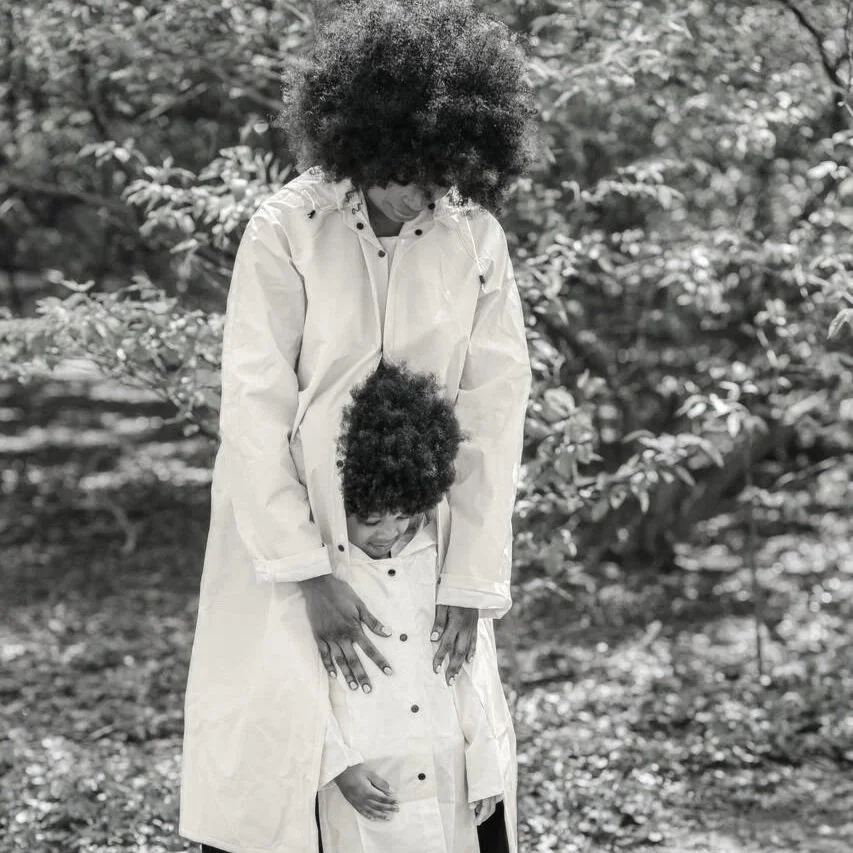
If the term “inner child” doesn’t quite resonate with you, you’re in good company. For some, it brings to mind a meditation exercise or a self-help concept that feels removed from everyday life. If you’ve ever felt that distance, it may help to know there’s psychology behind it, and a more practical way to understand it.
Inner child work isn’t isn’t a diagnosis, it’s a helpful metaphor for describing something psychology has been studying for a long time: the experiences, feelings and conclusions we formed when we were young, and how they can still shape how we react as adults.
It’s also one of the tools I use in RTT hypnotherapy, so I see how powerful and healing it can be. In this post, we’ll look at what it means, where it comes from in psychology, how to recognise when a younger part of you is running the show, and what reconnecting with it can look like.
Think of it as the part of you that holds your earliest experiences of being loved, ignored, praised, teased, safe or afraid.
You may not remember these as stories. You may carry them as feelings. A tight stomach when someone’s tone changes. A rush of shame when you get something wrong in front of others. An urge to please, perform or disappear.
As children, we take in messages long before we can fully make sense of them. We may not have the words or the understanding to say, “That adult was stressed, and it wasn’t about me.” We may form a conclusion instead, such as “I have to be good to be loved” or “my feelings are too much”, and the mind can hold on to it, because at the time it helped us cope.
Where the Idea Comes From in Psychology
The idea has a longer history than you might expect. Carl Jung wrote about a “child” archetype in the psyche. Writers popularised the phrase “inner child” in the late 1980s and 1990s. And several modern therapies now work with younger parts of us in structured ways.
Schema therapy describes a “vulnerable child mode”, the part that feels lonely, scared or unloved. Internal Family Systems therapy understands a person as made up of different parts, including younger ones that carry old pain. Attachment theory has long shown how our early experiences of safety and connection shape how we relate to ourselves and others later in life.
Each approach uses its own language, but they share an idea: the ways we learned to cope as children can keep running long after the situation has changed.
What Research Has Found
Research has found links between difficult childhood experiences and mental and physical health problems in adulthood. The original Adverse Childhood Experiences study, involving more than 9,500 adults, is one well-known example. It helps explain why looking at earlier experiences can be relevant to difficulties we face later in life.
Researchers have also studied techniques that overlap with inner-child work, such as imagery rescripting. This involves revisiting a distressing experience in your imagination and introducing the understanding, protection or support that was missing. Studies have found benefits for mood and feelings of closeness in relationships.
“Inner-child work” is a broad term, so the research is more specific than the label. It helps us understand why earlier experiences matter and how particular techniques may help us respond to them differently.
Why It Can Feel So Strong, Even When You Can’t Say Why
One reason inner child work surprises people is that the feelings can be intense even when you don’t remember where they came from.
You might have a perfectly good life, and still feel a jolt of panic when a friend goes quiet, or a flash of shame when you’re praised, or a sense that you must keep achieving or you’ll lose your place. If there’s no obvious reason, it’s easy to decide you’re being irrational.
Sometimes the reaction makes more sense once you see where it started. A younger part of you may be responding to something that feels familiar, such as being overlooked, criticised, left out or expected to cope alone, even though you’re now an adult with choices, resources and a very different life.
It can feel as though you’re torn. One part of you wants to try something new, ask for what you want or let someone close. Another part is cautious, protecting you from a hurt it remembers even if you don’t.
Signs a Younger Part of You May Be Calling for Attention
No one has a perfect childhood, and not every habit points to an old wound. But certain patterns are worth noticing, especially when they repeat:
Overworking or overachieving to earn approval, praise or a sense of belonging.
Struggling to celebrate your wins, because nothing ever feels like enough.
Perfectionism, and a harsh reaction when you make a mistake.
Always needing to be busy, or finding it hard to be present and relax.
Feeling shame, guilt or restlessness that you can’t quite explain.
Falling into the same relationship patterns again and again, with different people.
Self-sabotage, or holding back from trying for love, goals or change.
Rumination and a critical inner voice.
If you recognise several of these, it doesn’t mean something is wrong with you. It’s more common than you may realise, and it may point to a part of you that learned a strategy to stay safe.
What this might look like in everyday life
Picture a woman who is excellent at her job. She’s the one people rely on. A colleague gives her mild feedback, and she spends the evening replaying it, rewriting emails and quietly deciding she needs to do more.
On the surface, it’s a work reaction. Underneath, it may be a younger part of her that learned early on that being praised meant being safe, and being corrected meant being in trouble. The adult knows the feedback was fair and small. The younger part responds as though something much bigger is at stake.
When we recognise that, the reaction may start to make sense, and we can respond to it with understanding instead of frustration.
Safety, Connection and Play: What Your Younger Self May Also Need
Inner child work gets described as being about wounds, but it’s also about what a child needs to thrive: safety, connection, being seen, and play.
If you grew up having to be responsible, quiet or capable, there may not have been much room for lightness. Many of the high-achieving women I work with have no trouble being productive, but struggle with spontaneity, fun or doing something just because they enjoy it. That can be a sign of a part of you that never got to put the responsibility down.
Healing isn’t about going back and changing what happened. For many people, it involves giving that younger part some of what it needed then, including warmth, reassurance and permission to enjoy things, and letting it learn that things are different now.
How I work with the inner child in RTT hypnotherapy
Connecting with the inner child, reparenting and bringing that younger self into your present life is one of the healing tools I use in RTT hypnotherapy. Because the feelings and beliefs sit below conscious thought, it can reach places that thinking and talking sometimes don’t.
Here’s how it works
During your RTT hypnotherapy session we connect with your younger self, offering the understanding they didn’t have at the time, and bringing them forward into your life as it is now.
We explore the feelings and beliefs connected with the difficulty you’re experiencing. A younger you may have interpreted an experience as meaning “I’m not important,” “I have to get everything right” or “It isn’t safe to need anyone.” From your adult perspective, we can look again at that meaning: what was happening around you, what you couldn’t have understood then, and what wasn’t yours to take responsibility for.
Through reparenting, you meet that younger self with the understanding, reassurance and support they needed. Rather than simply telling yourself to think differently, you work directly with the younger version of you who experienced those feelings and drew those conclusions.
The upgrading-the-child part involves bringing that younger self forward into your present-day world. In the session, you show them the life you have now: how you’ve grown, what you’ve learned, the choices available to you and the ways you can care for yourself today. You help them understand that they no longer have to manage life with a child’s understanding or resources.
This also creates space for qualities that may have been pushed aside — curiosity, playfulness, spontaneity or expressing what you want — to become part of your adult life.
A personalised recording supports the work after the session. Your follow up coaching session then helps you put it into practice, whether that means responding differently to criticism, asking for support, setting a boundary or no longer feeling you have to earn your place by doing more.
Curiosity Is Enough
Inner child work isn’t about blaming your parents, dwelling on the past or becoming someone different. It’s a way of recognising that parts of you formed their view of the world when you were young, and that you may be able to offer them what they didn’t have then: patience, safety and a voice that’s on their side.
You can be sceptical and curious at the same time. You can be a capable adult and still have a younger part that responds well to a little care.
In Part 2, we’ll look at where these patterns may come from and some gentle ways to begin.
Maria x
Frequently Asked Questions
Is inner child work real psychology?
The idea has roots in psychology, including Jung’s writing on the child archetype and modern approaches such as schema therapy and Internal Family Systems, which work with younger parts of us. It’s a metaphor, not a literal child, and the research behind related therapies has real limits, but it’s taken seriously by clinicians.
What does reparenting mean?
Reparenting means giving your younger self some of the safety, comfort and reassurance they needed at the time but didn’t receive, using your adult understanding. It doesn’t mean blaming your parents, and it doesn’t change what happened.
How do I know if my inner child needs healing?
Look for patterns that repeat, such as overworking for approval, perfectionism, harsh self-criticism, difficulty celebrating wins or reacting far more strongly than a situation warrants. These can point to a younger part still trying to keep you safe.
Can hypnotherapy help with inner child work?
Connecting with the inner child and reparenting is one of the tools used in RTT hypnotherapy, working at the level where those early beliefs sit. I explain how in Part 2. Outcomes vary, and RTT isn’t a substitute for treatment of severe mental illness or acute crisis.
Do I need to remember my childhood for this to work?
No. Many people carry feelings and beliefs without clear memories of where they started, and the work focuses on the feeling and the belief, not on proving what happened.
Learn More about RTT Hypnotherapy
You Might also Like These Blogs
Why your relationship patterns keep repeating
Do You Keep the Peace at Your Own Expense?
You Might Be Carrying Trauma That Isn’t Even Yours

I’m Maria — a Clinical RTT Hypnotherapist and Confidence Coach working online with professional women worldwide. I combine Rapid Transformational Therapy with trauma-informed coaching and nervous system regulation, going directly to the subconscious root of self-doubt, anxiety and the patterns that keep brilliant women stuck.
If something in this post resonated, a first call is a relaxed, no-obligation conversation about where you are and whether this work is the right fit.

















You know what you want to change, so why does doing it still feel uncomfortable? A warm, practical look at familiar reactions, feeling the fear, and taking a step forward without pushing yourself too hard.